KENFA application pages connect cutting-tool families to machining problems such as stainless steel turning, mold milling, precision boring, aluminum machining and drilling. This noindex application hub uses production media-library proof images to show relevant product families while avoiding unverified cutting parameters or performance promises.
How are application pages organized?
Application pages should start with the buyer problem, then connect it to product families, material considerations, common selection factors and the information needed for model matching.
| Application area | Relevant product family | Current page |
|---|---|---|
| Stainless steel turning | Cutting inserts and holders | Stainless Steel Turning |
| Precision inner-hole work | Boring tools | Boring Tools |
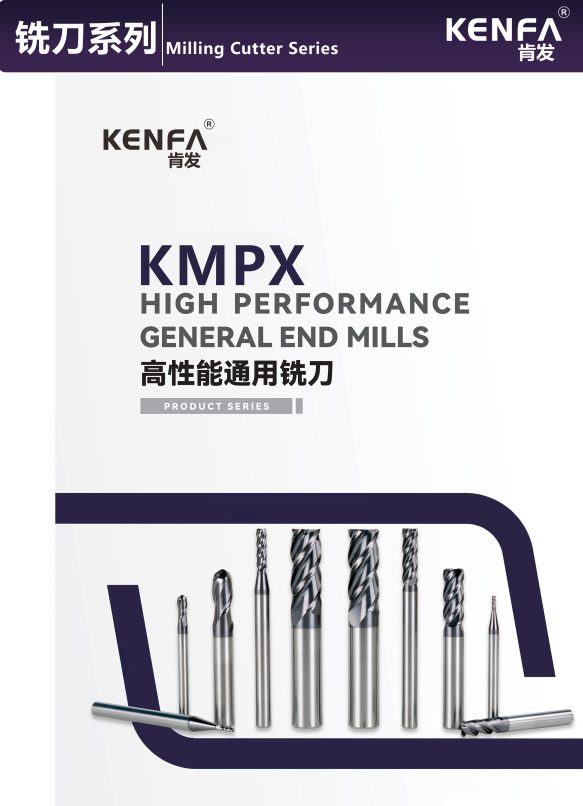
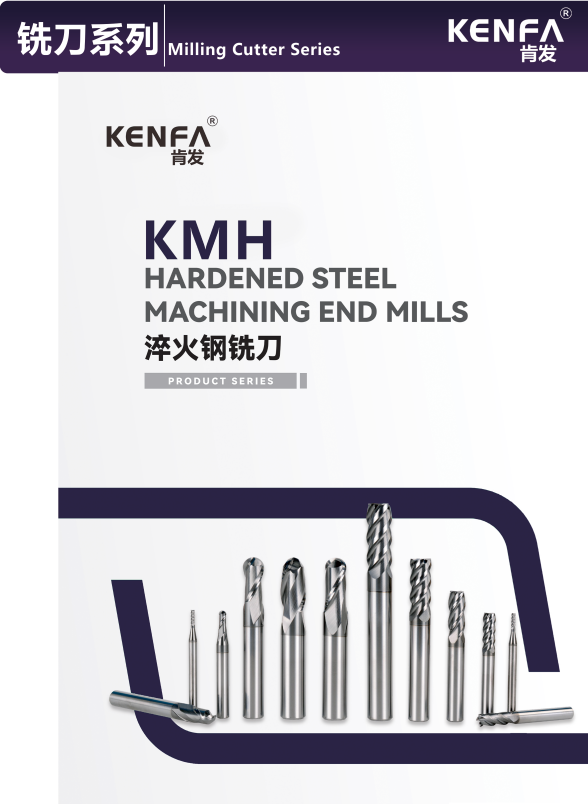
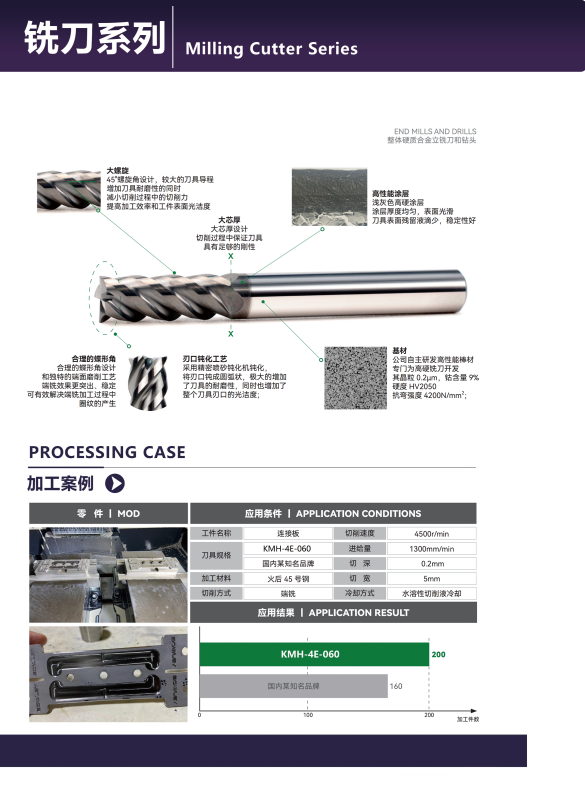
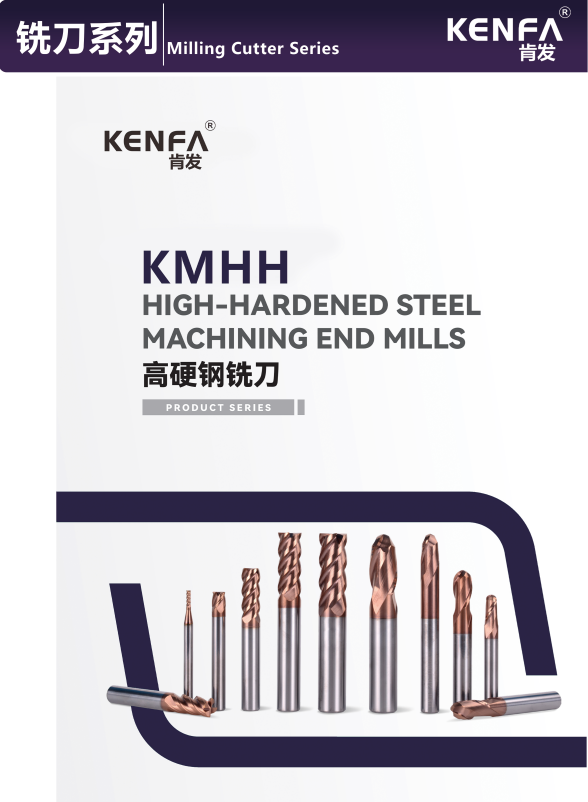
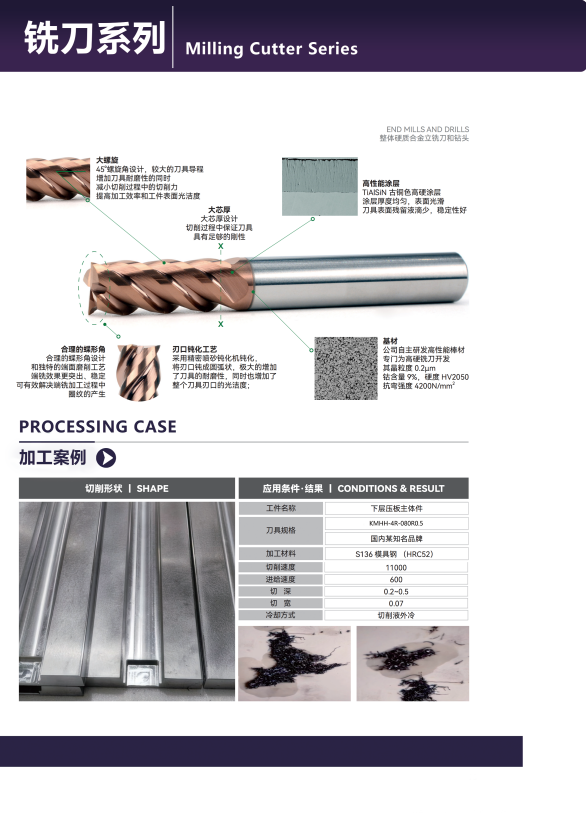
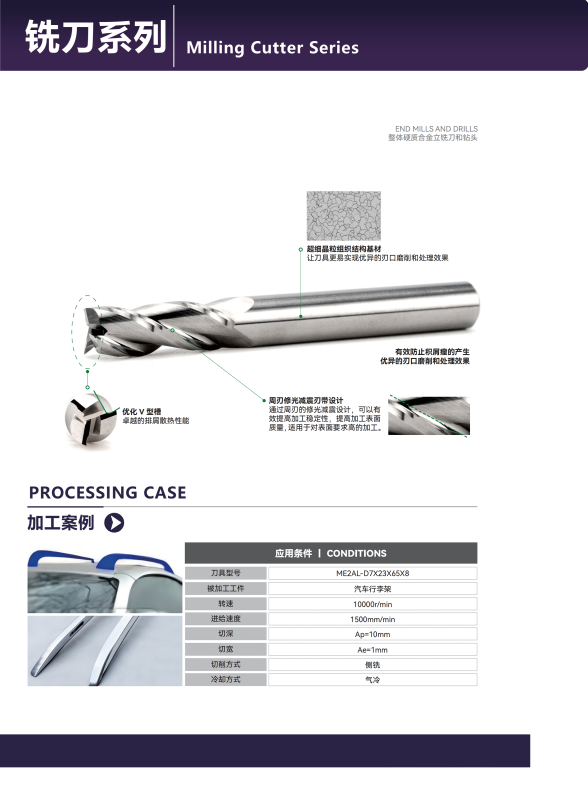
| Mold and general milling | Milling cutter series | Milling Cutter Series |
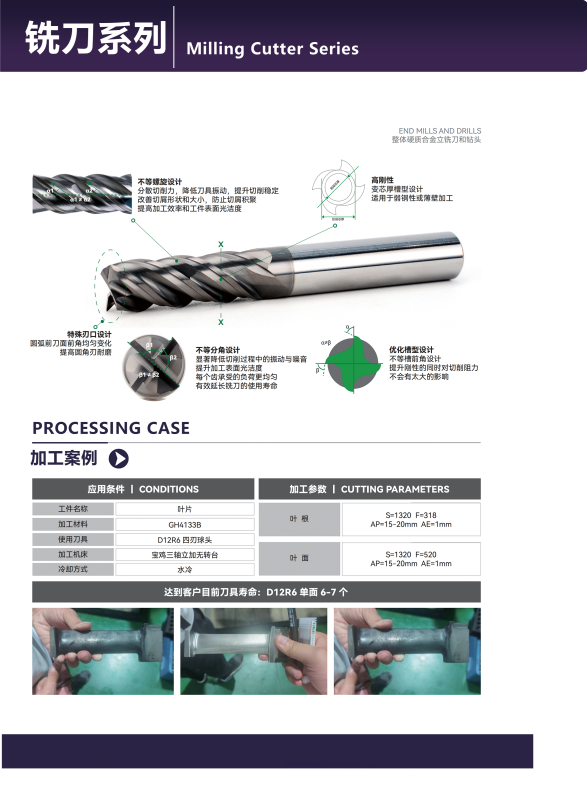
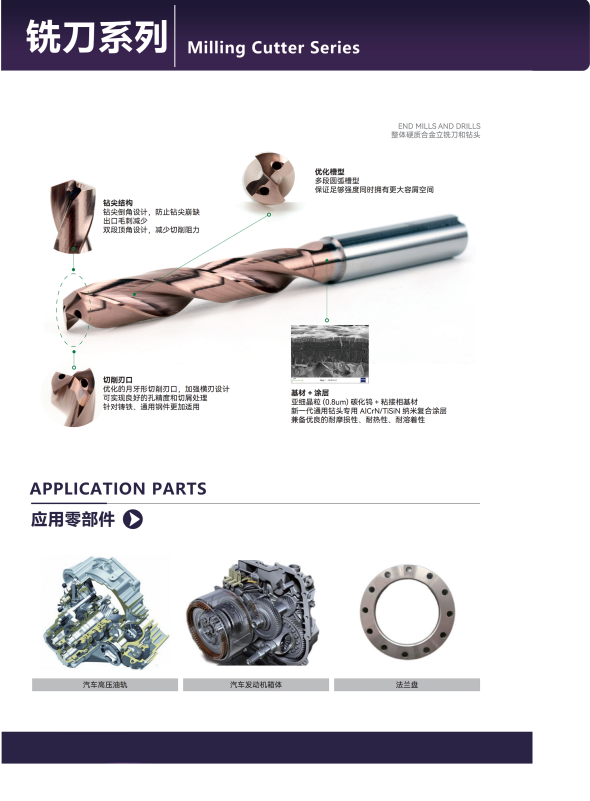
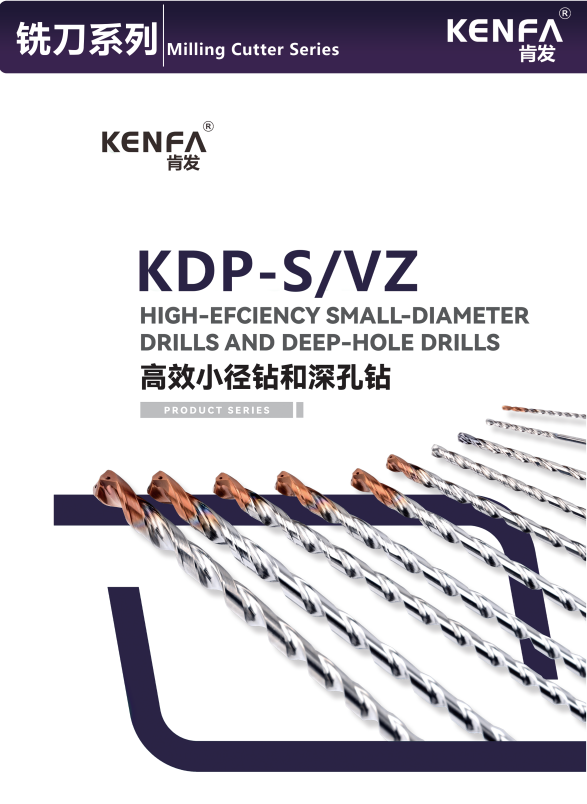
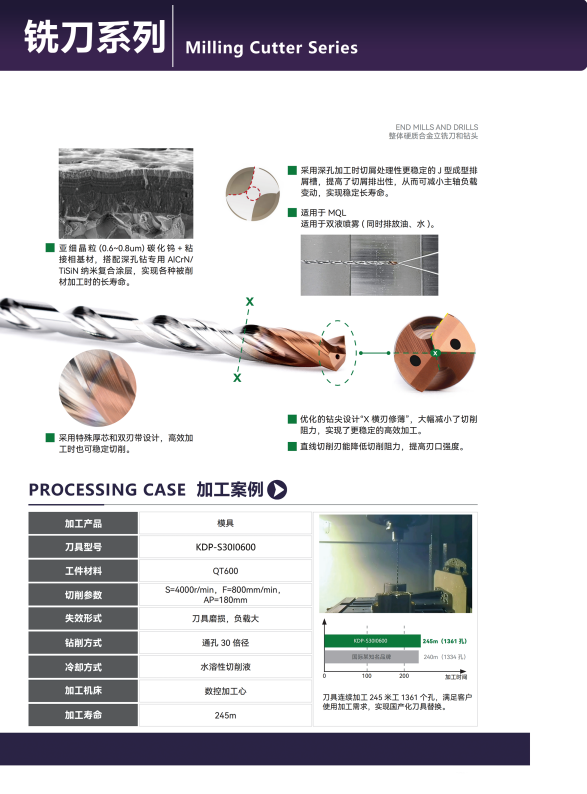
| Drilling and aluminum machining | Drills, end mills and application-specific tool families | Use RFQ until dedicated pages are prepared. |
Production application proof image set
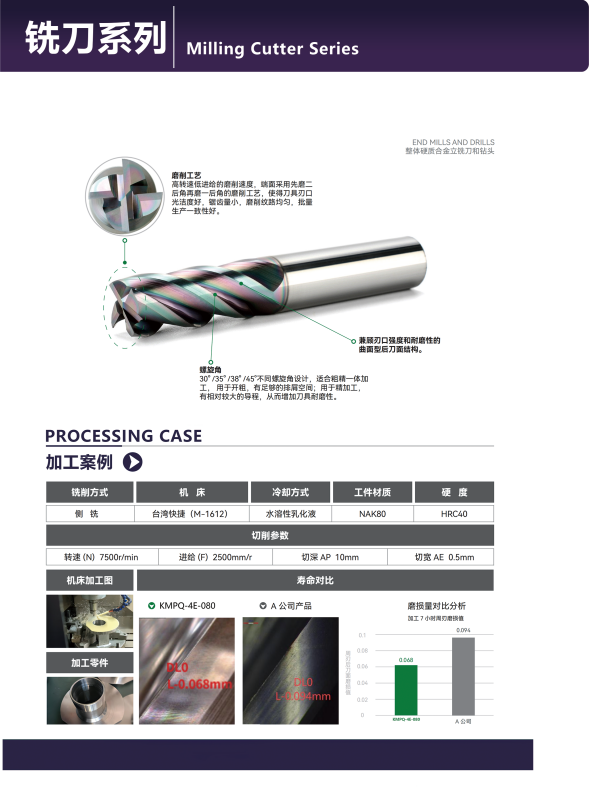
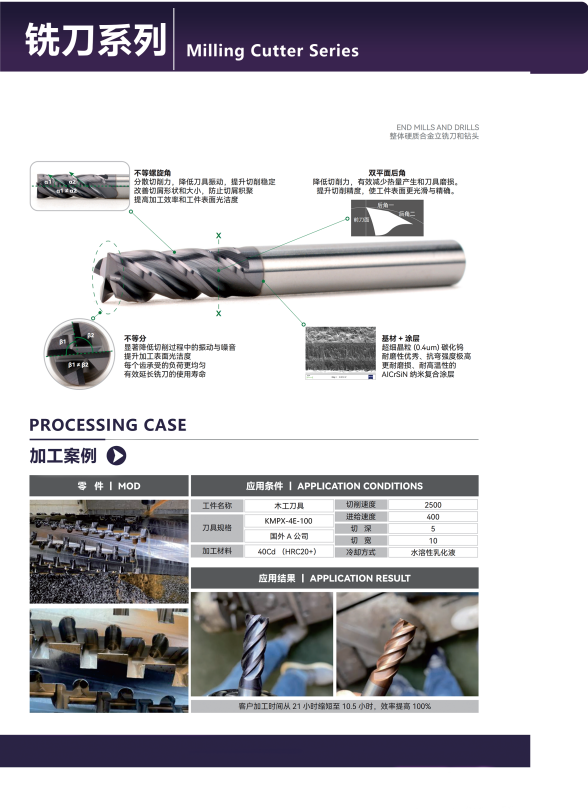
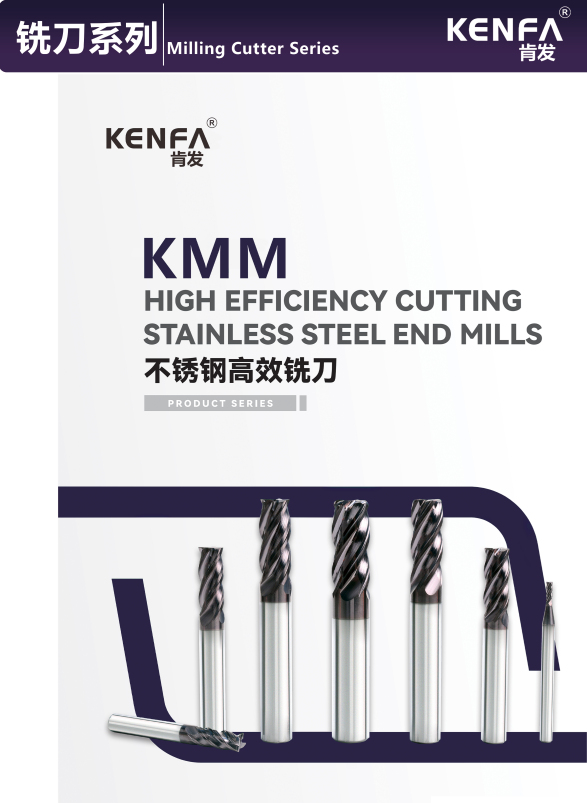
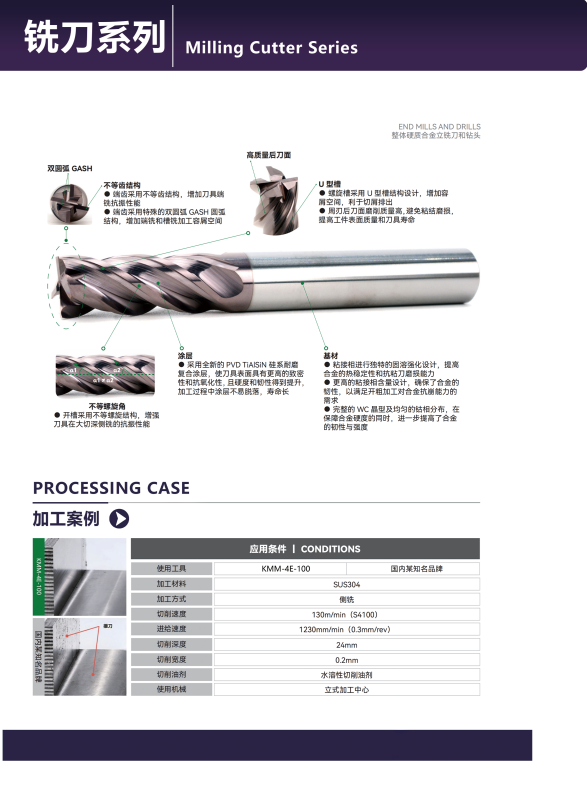
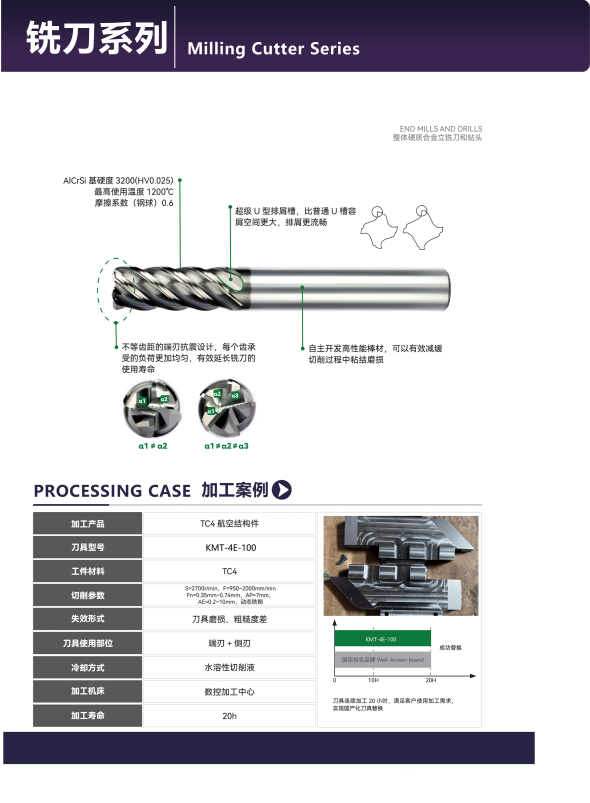
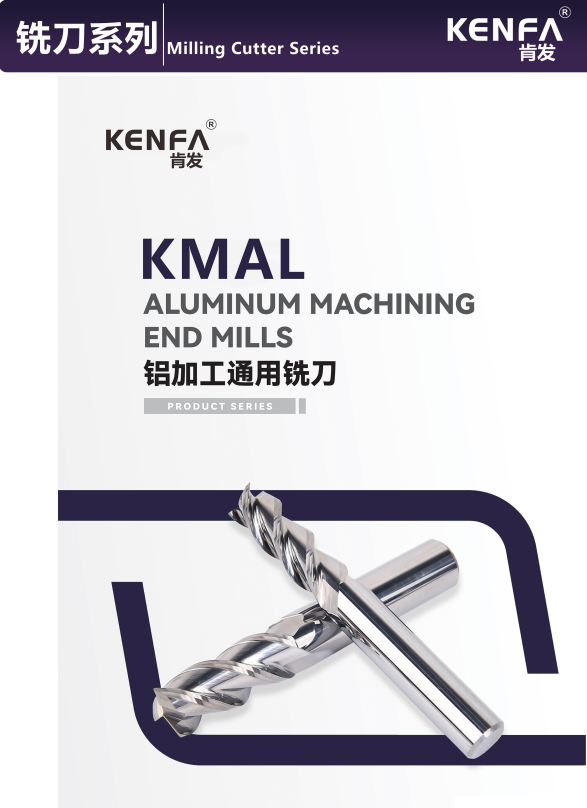
These production media-library images support application routing for milling, stainless steel, titanium alloy, aluminum, drilling and process-reference pages. Processing-case images are proof assets, not tool-life or performance guarantees.


What information should buyers send?
- Workpiece material and hardness if available.
- Operation: turning, milling, boring, grooving, threading or drilling.
- Current insert, holder, drill or cutter model.
- Machine type and clamping condition.
- Quantity, delivery country and current machining issue.
Next step
Start with the stainless steel turning application page or send your details through the RFQ page.