For thread production and inspection, identify whether the job uses thread turning, tapping, forming, dies or gauge inspection, then send the thread standard, size, pitch, tolerance class, hand, material and feature depth. KENFA can review the relevant insert, tap/die and plug/ring gauge families, but exact compatibility and acceptance requirements must be confirmed for the application.
Which thread-making or inspection route applies?
| Route | Buyer should define | Relevant KENFA family |
|---|---|---|
| Thread turning | Internal or external thread, standard, size, pitch, hand, holder and insert code | Cutting Inserts |
| Tapping, forming or dies | Blind or through feature, material, machine, thread requirement and current tool | Threading, Forming, Taps & Dies |
| Thread inspection | Internal or external thread, standard, size, pitch, class and inspection requirement | Plug & Ring Gauges |
What information prevents thread-matching errors?
- State the thread standard and full designation rather than only the nominal diameter.
- Identify internal or external use, right- or left-hand thread and blind or through condition.
- Send the current insert, tap, die or gauge code and a clear label photo.
- Provide the workpiece material, machine type, holder or collet and required quantity.
- Describe how the thread will be inspected and which acceptance document applies.
Which catalog images support the inquiry?
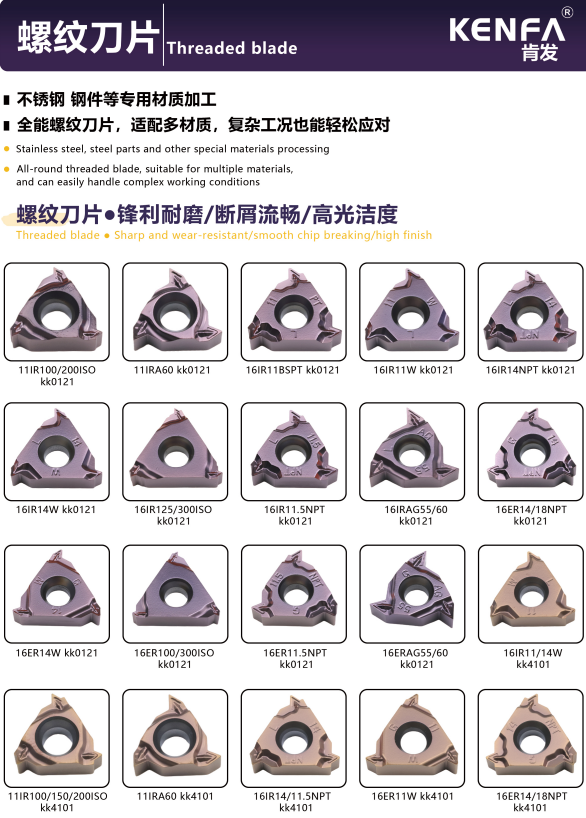
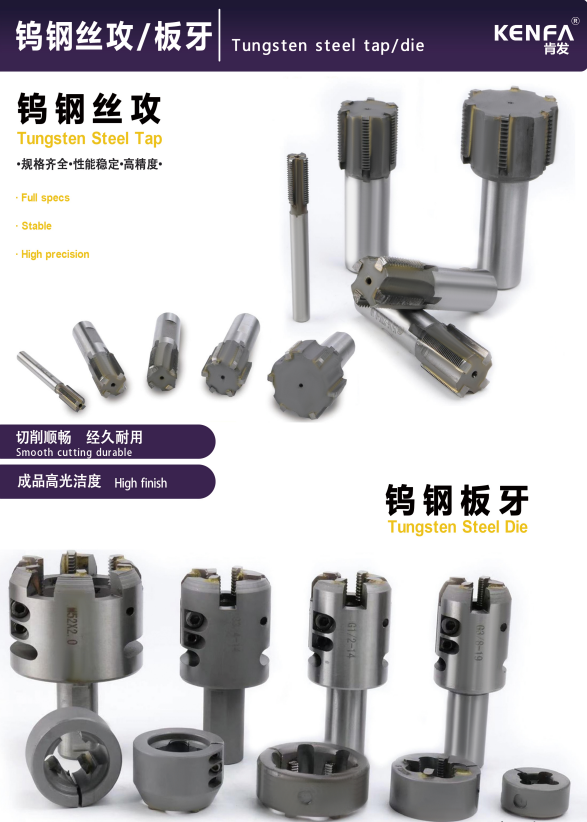
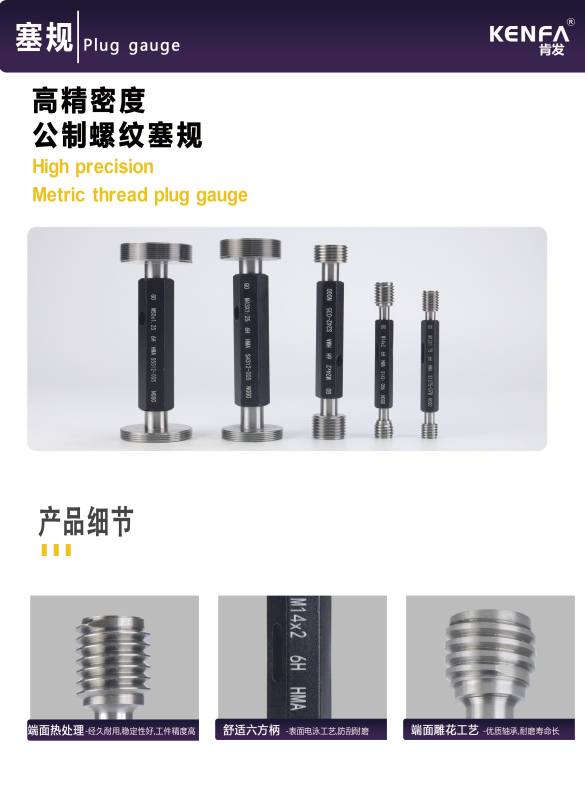
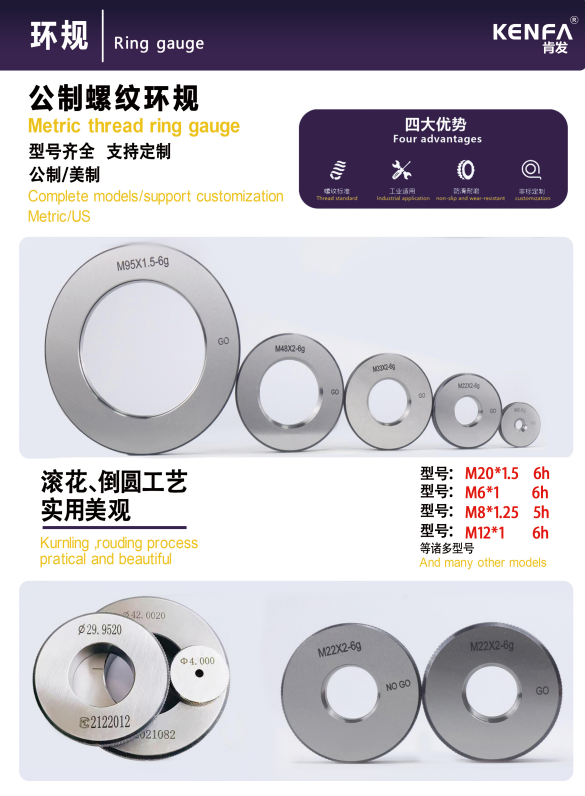
These images show thread-turning inserts, tap/die products and plug/ring gauge families. They are routing references; the full designation and controlled requirements still govern selection.
How should production and inspection be separated?
| Decision | Production input | Inspection input |
|---|---|---|
| Thread identity | Standard, size, pitch, hand and feature type | Same identity plus class or acceptance requirement |
| Tool interface | Holder, insert, collet, tap holder or die holder | Gauge type and current gauge reference |
| Process context | Material, machine, depth, blind or through condition and coolant | Inspection procedure or buyer requirement |
| Evidence | Drawing, current tool label and feature photo | Drawing and required inspection record |
What should buyers send through RFQ?
Use the thread-tool RFQ path and include the complete thread designation and inspection requirement. The compatibility RFQ guide and Catalogs & Technical Resources provide the supporting checklist.
Buyer Questions
Is nominal diameter enough for a thread-tool inquiry?
No. Standard, pitch, class, hand, internal or external use and feature depth are also needed.
Should a gauge request include the production tool?
Include both when possible so the thread identity and inspection route can be reviewed together without assuming interchangeability.
Can a catalog image confirm the final inspection requirement?
No. The drawing, applicable standard and buyer acceptance requirement must define inspection.
What should be attached for a non-standard thread?
Send a dimensioned drawing, current tool or gauge photos, material, quantity and the inspection requirement.
Source Notes
KENFA catalog images CI-13, CI-69, CI-66 and CI-67 support product-family identification. Exact thread compatibility, tolerance class, gauge acceptance and process conditions require controlled technical data and RFQ review. Last reviewed July 12, 2026.